- Dec 1, 2025
Therapist Approved Gifts for Emotional Literacy
- Wendy Young, LMSW, BCD
- social skills , parenting, feelings, child therapist, coping skills, anxiety, school counseling, creative therapy, therapy resources, counseling resources, mad feelings
Helping Kids Understand Feelings
Understanding feelings and learning to talk about them is a key part of early emotional development. As a therapist working with young children, I often recommend simple, playful tools that support emotional awareness, self-regulation, empathy, and emotional vocabulary. Below are some of my top picks that make emotional learning playful, but meaningful.
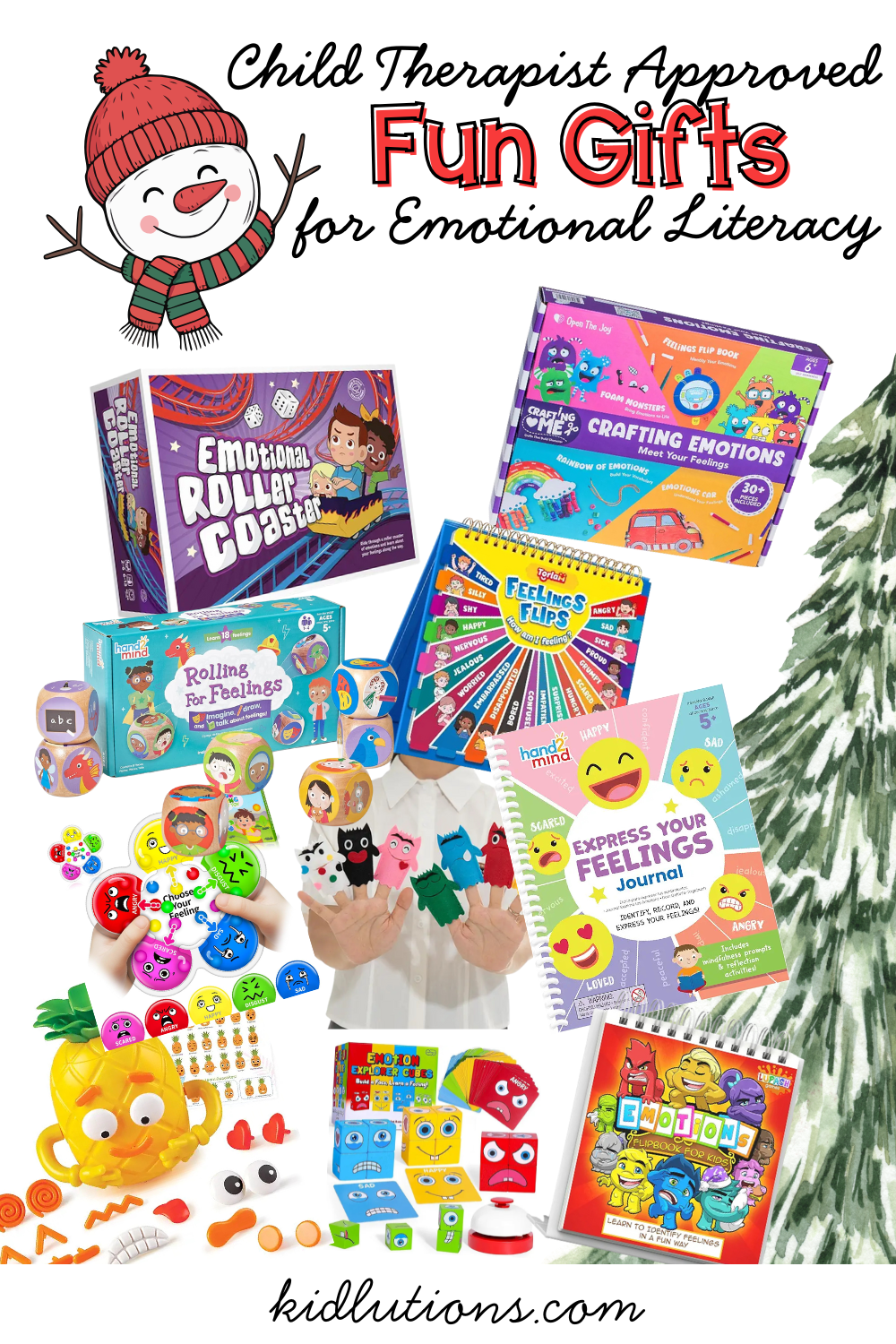
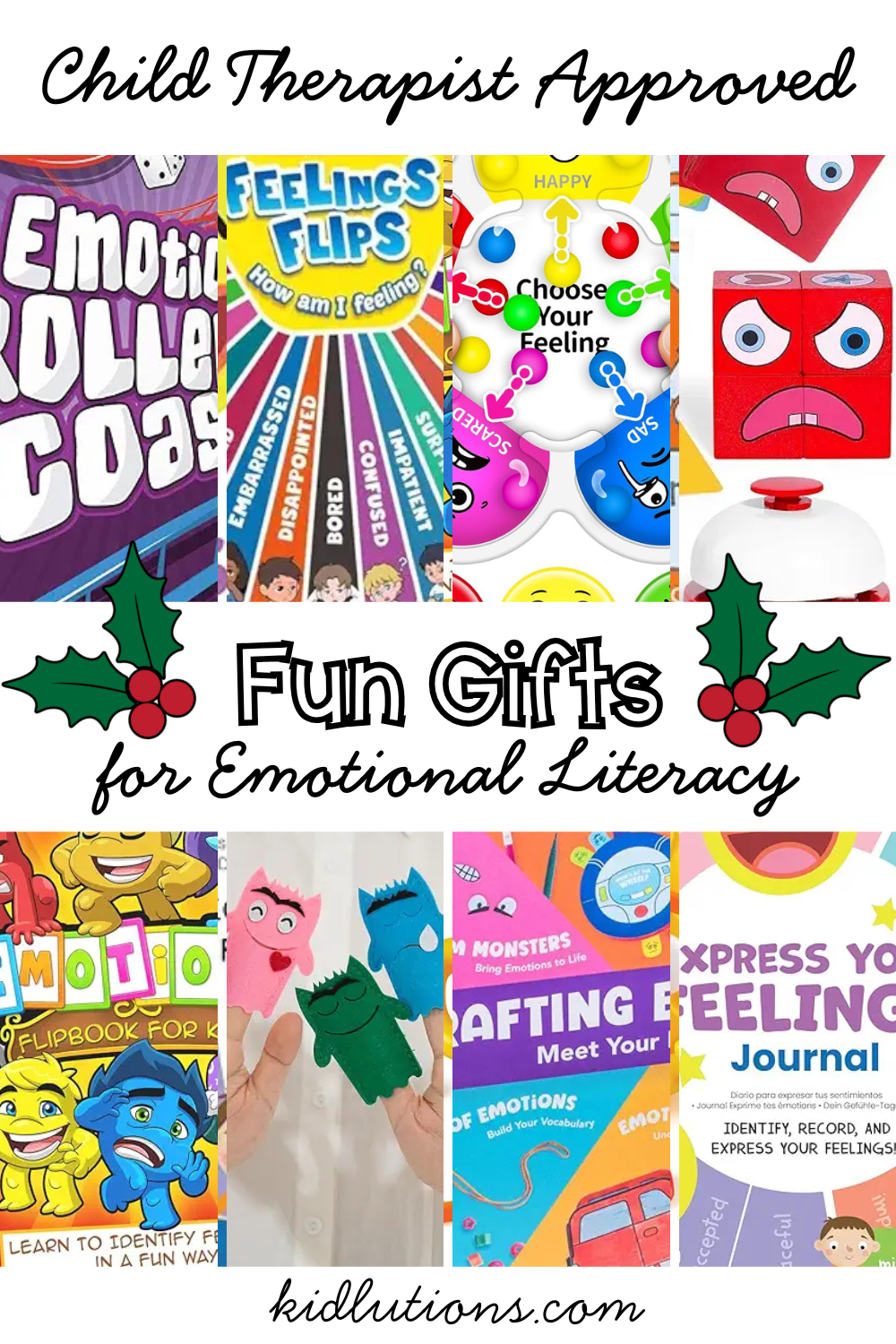
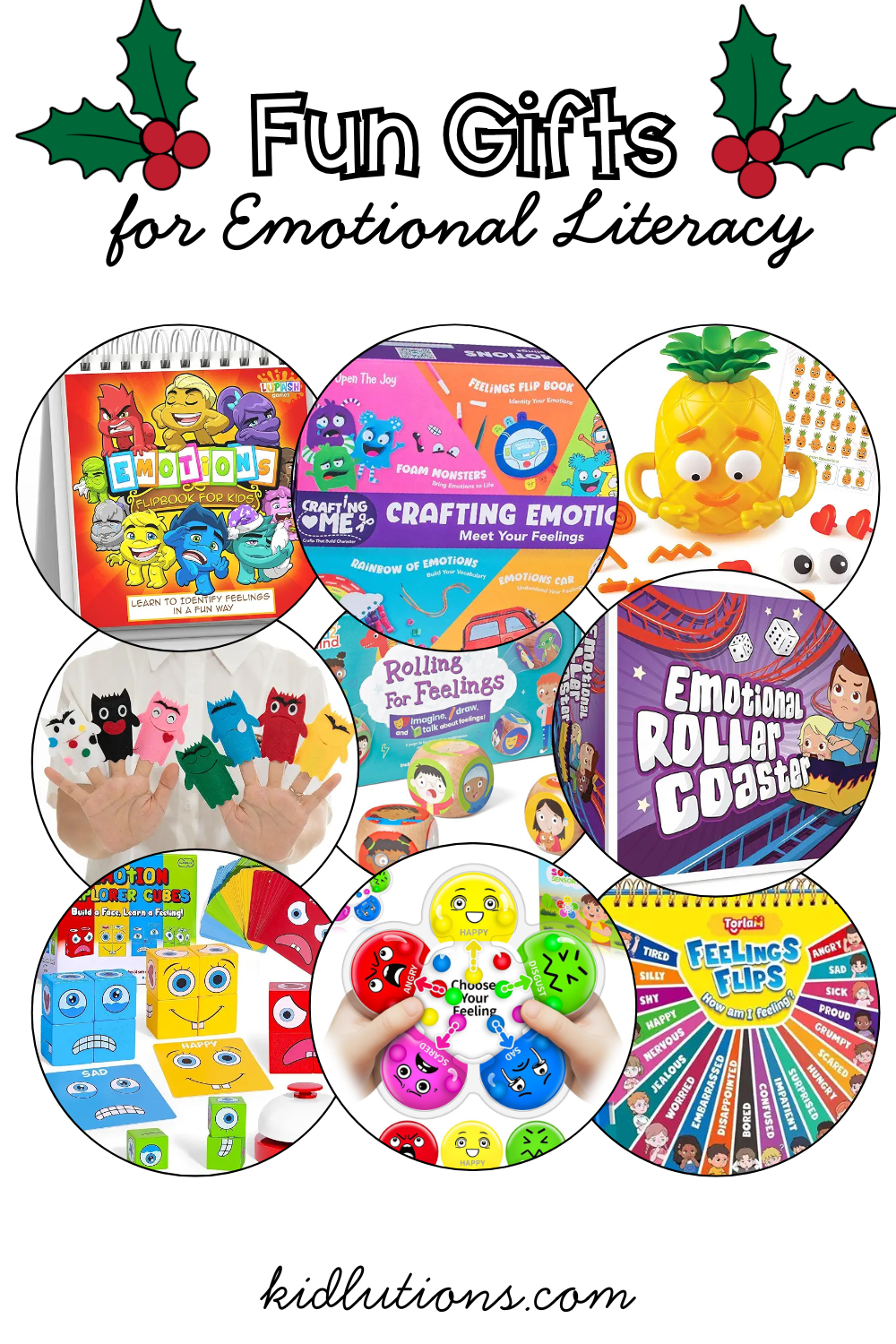
Open The Joy Crafting Emotions Kit — A wonderfully creative set where children craft “emotion creatures,” build a feelings flip-book, and even create a feelings wall hanging. It's a fun, art-based way for kids to externalize feelings, learn emotional vocabulary, and talk about how different emotions look/actions feel.
Learning Resources Big Feelings Pineapple — A beloved classic for SEL play. Kids build expressive faces with interchangeable parts, exploring emotions like happiness, sadness, surprise, worry — and parents can use it to prompt discussion about what different feelings mean and when we feel them.
Feelings Flips Emotional Learning Flipbook — A portable, easy-to-use flipbook that helps children identify and label emotions quickly. Great for supporting kids who struggle to name their feelings or need a quick reference when emotions pop up.
Spark Emotions & Feelings Flipbook — Similar to the Feelings Flips book but with vivid images and guided discussion prompts. It encourages deeper conversation, empathy, and self-reflection — ideal for family use or therapy sessions.
hand2mind Express Your Feelings Journal — Great for older preschoolers/early elementary kids learning to reflect on their emotions. With prompts covering a variety of feelings and suggested coping actions, this journal can help children start to notice patterns in their emotional life and practice self-regulation. hand2mind
hand2mind Roll For Feelings Dice Game — A fun, interactive game where kids roll emotion and character cubes and act out or talk about feelings. Fantastic for group play, classroom use, or family nights — combining social-emotional learning with playfulness.
Emotional Rollercoaster Game — The Emotional Rollercoaster Board Game turns emotional regulation into a game — kids learn to name and understand feelings like anger, frustration, sadness, and worry in a safe, playful context.
Learning Resources Color Sorting Sensory Set — While not explicitly “emotion-labeled,” sensory or sorting toys support self-regulation, focus, and calm — all skills that underlie emotional literacy, especially for children who might feel overwhelmed or have sensory-based emotional reactivity. (Ages 3+)
Why These Work — From a Therapist’s Lens
Concrete + playful entry into abstract feelings. For young children, feelings like “anxious,” “proud,” or “disappointed” can feel big and vague. Toys that turn emotions into faces, stories, or tangible activities make them more understandable and less scary.
Supports self-awareness and emotional vocabulary. Flipbooks, journals, expressive toys, and games encourage kids to name feelings — a first essential step before they can manage or communicate them.
Encourages emotional regulation and coping skills. Sensory toys, journaling, and structured games provide gentle practice in calming, reflecting, or expressing — useful especially when children feel overwhelmed.
Builds empathy, social awareness, and communication. Many of these toys are ideal for group play (siblings, classmates, peers) — giving kids a chance to observe, mirror, and understand others’ feelings and experiences.
Flexible for different settings. Whether at home, in a therapy session, or in a classroom: these toys are easy to integrate into everyday routines, group activities, or targeted SEL lessons.
See Our Resources that Support Social-Emotional Skill Building
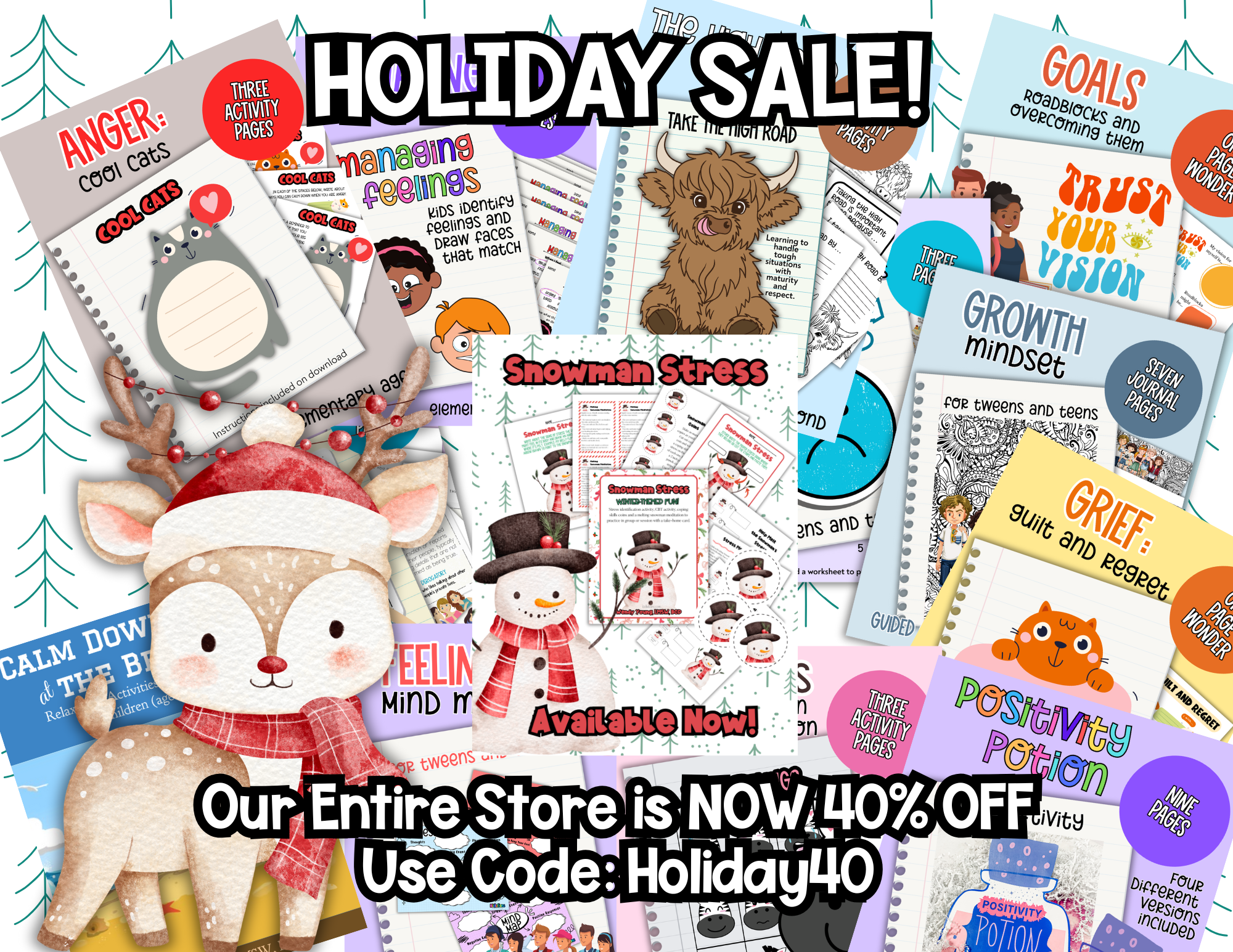
Be sure to see our very own instant download products that support social-emotional development and are used in therapy offices, homes, counseling and more. All are currently 40% off for Cyber Monday. Ends at 10pm EST, December 1, 2025. Use code Holiday40, if you do not see the discount automatically applied.
Find it all here: All Resources
Code: Holiday40
Ohhhh, and One More!
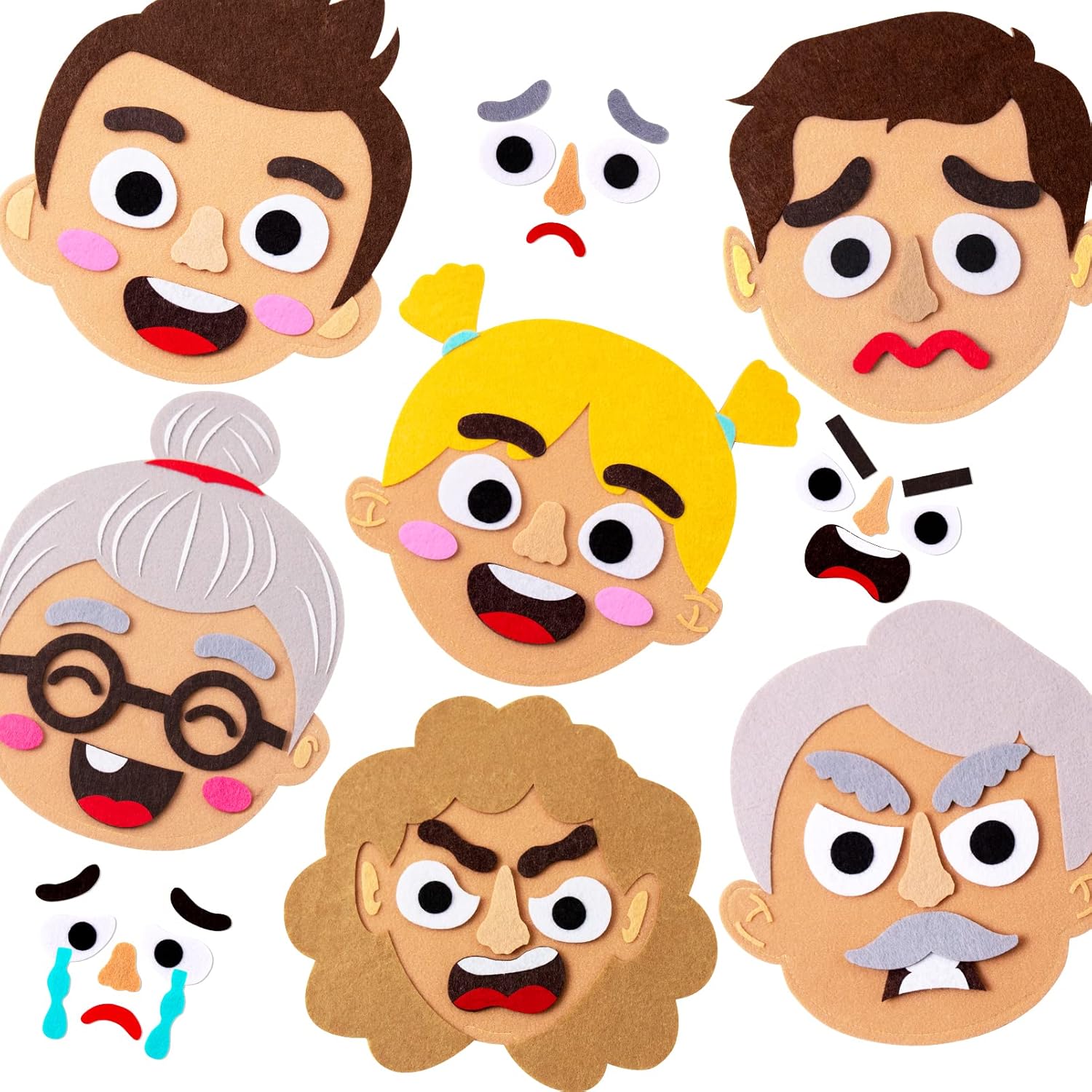
Craftstory Feelings & Emotions Playset for ages 3+. Truth be told, kids even into middle school have enjoyed playing with this set in my office.
How to Use Them in Real Life (with Kids)
“Feelings Check-In” Ritual: Use the Pineapple, Flipbook, or dice game at the start or end of the day — ask the child “How are you feeling?” and have them choose a face / emotion / roll dice / journal.
Art & Talk Time: With the Crafting Emotions Kit, children create “emotion characters” and talk about when they feel those emotions — great for opening conversation about complex feelings like jealousy, shame, pride.
Co-regulation Corner: Use sensory-based tools (sorting set or calming journal) when a child feels dysregulated — as a first step to calm down, then talk about what they feel and why.
Group Empathy Activities: Use dice games or flipbooks in paired or small-group settings to help children practice recognizing and talking about emotions in others.
Therapeutic Reflection: Journals and flipbooks are especially useful in therapy or counseling sessions to support self-reflection, naming emotions, and building long-term emotional vocabulary.
✨ Final Thoughts
Emotional literacy isn’t a “nice-to-have” — it’s foundational. Kids who learn to recognize, name, express, and reflect on their feelings are better equipped to cope with stress, build healthy relationships, and grow resiliently.
As a child therapist, I believe that the most effective tools are ones children enjoy — that feel safe, playful, and inviting. These toys do exactly that. They make feelings less mysterious, more accessible, and more manageable.
Until next time,

Wendy Young, LMSW, BCD, is the founder of Kidlutions and co-author of BLOOM: 50 Things to Say, Think and Do with Anxious, Angry and Over-the-Top Kids, co-creator of BLOOM Brainsmarts, and creator of The Joyful Parent. She is the author of numerous workbooks and resources to help from the preschool through the teen years.
Follow her on Pinterest, Instagram, Twitter and Facebook. Affiliate links may be used in this post.